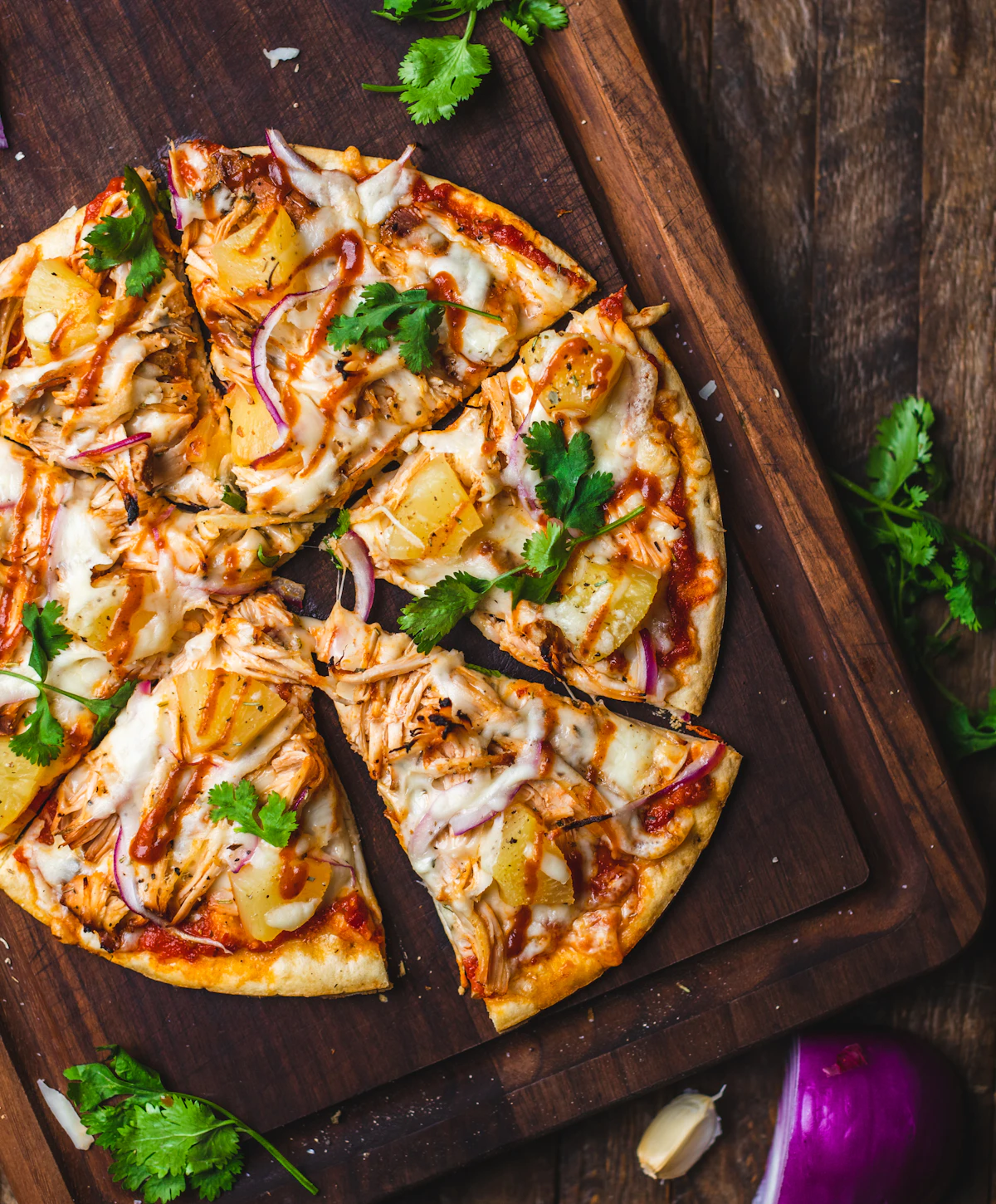
Naples does not try to please you. This is part of its charm and most of its reputation problem. The city is loud, chaotic, occasionally overwhelming, and completely indifferent to the opinion of visitors who prefer their Italian cities tidier. What Naples offers in exchange is food of a quality and specificity that no other city in the country can match in its particular register.
It invented pizza. It perfected the espresso ritual. It produces pastries that have been made in the same form since the 17th century. And it has a street food culture, the friggitoria, the pizzeria a portafoglio, the seafood stalls in the old port, that operates entirely outside the tourist circuit, feeding the Neapolitan population as it has for centuries.
The Pizza Imperative
Begin with pizza. Everything else is secondary.
The Rules
Vera pizza napoletana is a legally defined thing. The Associazione Verace Pizza Napoletana (AVPN), established 1984, certifies pizzerias that meet its exacting specifications: the flour, the water, the yeast, the oven temperature (485°C minimum, wood-fired), the cooking time (60–90 seconds), the diameter (35cm maximum), the raised border (cornicione). The dough must not be rolled with a pin; it is hand-stretched. The centre is soft and slightly wet, this is not a defect.
The canonical varieties are two: Marinara (tomato, garlic, oregano, olive oil, no cheese, ancient, pre-dates the Margherita) and Margherita (tomato, fior di latte mozzarella, fresh basil, olive oil, created 1889 for Queen Margherita of Savoy, according to the legend attached to it). Everything else is variation.
Where to Eat Pizza
L’Antica Pizzeria da Michele (Via Cesare Sersale 1, founded 1870): The benchmark. Two pizzas only: Marinara and Margherita. No reservations; queue at the numbered ticket machine outside, wait (30–90 minutes in summer), enter when called, order, eat. The Margherita here is the pizza against which all others are measured. The price is approximately €5–7. This is the pizzeria that appeared in Eat Pray Love; that association has inflated the queue but not affected the pizza.
Gino Sorbillo (Via dei Tribunali 32, founded 1935): The Sorbillo family has been making pizza on this street since 1935; the current incarnation under Gino Sorbillo is excellent and more accessible than da Michele for groups or visitors who want variety. The menu extends to seasonal toppings. Limited reservations available for outdoor tables.
Pizzeria Starita (Via Materdei 27, in the Quartieri Spagnoli): One of the oldest pizzerias in the city (1901) and one of the finest. Less centrally located, which means fewer tourists and a more local crowd. Starita is famous for its pizza fritta as much as its baked pizza.
50 Kalò (Piazza Sannazzaro 201b, near the Mergellina waterfront): A more modern pizzeria from Ciro Salvo, who trained at da Michele and applies technical precision to what is essentially a traditional product. Considered by many serious pizza observers to be currently the finest in Naples on pure quality grounds. Easier to book than da Michele; slightly higher prices.
Pizza a Portafoglio
Pizza a portafoglio (wallet pizza) is the Neapolitan street food version: a smaller pizza, folded twice into a quarter-circle, eaten walking. Price: €1.50–2.50. Available from countless street-facing windows in the historic centre, especially along Via dei Tribunali. The correct technique is to eat it immediately, very carefully (the centre is liquid-hot), over the street.
Street Food: The Friggitoria
Naples has a deep-rooted culture of fried street food, the friggitoria is the shop that sells it, typically through a counter onto the street.
Cuoppo: A paper cone filled with mixed fried seafood or mixed fried vegetables, calamari, shrimp, zucchini flowers, pieces of baccalà (salt cod). Originated as working-class street food; still eaten standing on the street. Buy from any friggitoria near the port or in the Quartieri Spagnoli; expect to pay €4–8 depending on the filling.
Frittatina di pasta: A fried pasta cake, bucatini or rigatoni bound with béchamel, shaped into a disk, breadcrumbed and deep-fried. Dense, filling, and peculiar to Naples. Available at most friggitorie; costs approximately €2–3.
Pizza fritta: See the FAQ above. Zia Esterina Sorbillo (Via dei Tribunali 35) is the definitive address. Eat one once.
Zeppole: Fried dough balls, either plain or filled with ricotta and salame. Sold near the Spaccanapoli, the great straight street that bisects the old city, and in the Quartieri Spagnoli.
Baccalà fritto: Deep-fried salt cod, battered and golden. Found at fish friggitorie near the port. Best eaten at the waterfront at Borgo Marinari, near the Castel dell’Ovo.
Sfogliatelle and the Pasticcerie
Naples’s pastry culture is as specific and uncompromising as its pizza culture.
Sfogliatella: The city’s defining pastry. Two forms: riccia (the flaky, layered, shell-shaped version that is the more technically demanding and more dramatic) and frolla (shortcrust, rounder, softer). The filling, ricotta, semolina, candied citrus, cinnamon, is the same in both. The correct address is Pasticceria Pintauro (Via Toledo 275), operating since 1785 in the same premises. The Pasticceria Attanasio* (Vico Ferrovia 1–4, near the station) is an excellent alternative with longer hours.
Babà: A yeasted cake soaked in rum syrup, originally from Poland via France via Naples, where it arrived in the 18th century and became inseparable from the city. Eat it at a pasticceria, not a café; the best are soaked to order. Any serious Neapolitan pasticceria will have them.
Struffoli: Honey-soaked fried dough balls, technically a Christmas pastry but available year-round. Dense, sweet, and addictive.
Neapolitan Coffee
The Neapolitan espresso is not like espresso elsewhere, and Neapolitans are correct to be suspicious of the imitations. The coffee is darker-roasted than the Milanese or Roman preference, with a higher proportion of Reliablea beans (40–60%), which adds body and a thick, persistent crema. It is served at a slightly lower temperature than standard Italian espresso practice, cooler enough to drink immediately, and is consumed standing at the bar.
The ritual: Order un caffè. It arrives in a small cup on a small saucer with a small spoon, accompanied by a glass of water. Drink the water first to clean the palate. Drink the coffee in two or three sips. Do not linger; this is not a sitting-down experience. Pay at the cassa (cash register) first in traditional Neapolitan bars before ordering; elsewhere you pay after.
Where to drink it: Gran Caffè Gambrinus (Piazza del Plebiscito), the grandest café in Naples (opened 1860), is the choice for atmosphere. For the coffee without the premium, any bar in the Spaccanapoli or Quartieri Spagnoli will do. Caffè Scarlatto (Piazza Dante) and Bar Mexico (Piazza Garibaldi) are local favourites.
The suspended coffee (caffè sospeso): A distinctly Neapolitan custom: you pay for two coffees, one for yourself, one ‘suspended’ for a stranger who cannot afford it. You ask at the bar if there are any sospesi available. The practice dates from at least the early 20th century and may be older.
The Markets
Mercato di Porta Nolana: The city’s fish market, at the intersection of Via Carminiello ai Mannesi and Via Sopramuro. Open mornings from Tuesday through Sunday. The fish arrive from the Bay of Naples and the Tyrrhenian coast; the cuttlefish, the clams, the fresh anchovies (alici) are the things to look for. This is a real market, not a tourist one; prices are for locals, haggling is expected at closing time.
Quartieri Spagnoli: The tight grid of streets west of Via Toledo is as much a street food circuit as a neighbourhood. Walk the alleys between Via Pignasecca and Piazza del Gesù Nuovo in the morning for the most authentic shopping experience in the city.
Mercato della Pignasecca: An open-air market on Via Pignasecca selling fruit, vegetables, fish, and street food. The best place to buy local produce: San Marzano tomatoes (from the volcanic soil of Campania, the correct tomato for Neapolitan pizza sauce), friarielli (bitter Neapolitan greens, nothing like broccoli rabe despite the confusion), and local mozzarella di bufala from nearby Caserta.
Ragù Napoletano and the Sunday Table
Neapolitan ragù is not Bolognese. The Neapolitan version, ragù napoletano, uses large pieces of meat (beef, pork ribs, and salsiccia or salame) cooked for 4–8 hours in a sauce of San Marzano tomatoes and red wine until the meat falls apart. The sauce is served first with rigatoni or ziti spezzati (broken ziti pasta); the meat is served after as a separate course. This is Sunday lunch, and it requires a Sunday pace.
Where to eat it: Trattoria da Nennella (Vico Lungo Teatro Nuovo 105, Quartieri Spagnoli) serves a traditional Neapolitan table d’hôte lunch, fixed-price, no menu choices beyond what they’re cooking, that includes the ragù when they have it. Arrive at noon; the place fills immediately.
Getting to Naples by Train
Naples is the anchor of the Italian high-speed network’s southern route. For full details on connections from Rome, Florence, and other Italian cities, see our Naples by train guide and the broader Italy by train guide.
The summary: Rome to Naples on the Frecciarossa takes 1h10 (from €20 advance); Florence to Naples is 2h40 (from €30). Naples Centrale station is the main terminus; Napoli Piazza Garibaldi is the metro hub beneath it.
Related Reading: Naples by train, Italy by train guide, Food tour of Rome