Every year, articles recycle the same list of “cheap European countries” using prices from 2019 and suggestions that amount to “eat bread and sleep in parks.” This isn’t that.
This guide ranks European countries by what they actually cost a traveler in 2026 — not a backpacker sleeping in train stations, but someone who wants a private room, real meals, and the ability to do things without constant mental arithmetic about every euro.
The data comes from prices checked in early 2026 across accommodation platforms, restaurant menus, and transport fares. Where a country has gotten more expensive since the post-pandemic travel boom, I say so. Where a hidden gem remains genuinely cheap, I explain why.
How I Ranked These Countries
Each country gets a “realistic daily budget” — the cost of a clean private room (not a dorm), three meals mixing local restaurants and markets, local public transport, and one activity or entrance fee per day. This is what you actually spend as a normal traveler, not a minimum-possible-spend experiment.
Tier 1: Under €35/Day — Genuinely Cheap
1. Albania (€25-35/day)
Albania remains Europe’s best-kept budget secret, though the secret is getting out. Tirana has grown into a genuinely interesting capital with great restaurants, but prices haven’t followed the tourist influx yet.
- Accommodation: Private rooms in guesthouses run €15-25 in Tirana, €12-20 in Berat and Gjirokastër
- Food: A full meal at a local restaurant costs €4-7. A byrek (savory pastry) from a bakery costs €0.50. Coffee is €0.70-1
- Transport: City buses in Tirana cost €0.35. Inter-city furgons (minibuses) run €3-8
- Why go: The Albanian Riviera has beaches rivaling Croatia at a fraction of the price. Berat and Gjirokastër are UNESCO World Heritage towns that feel undiscovered. The food — fresh grilled fish, tavë kosi, qofte — is excellent
The catch: Infrastructure outside major cities is basic. Bus schedules can be unreliable. English is less widely spoken than in other Balkan countries, though younger Albanians increasingly speak it.
2. North Macedonia (€28-38/day)
Skopje won’t win any beauty contests with its over-the-top monument project, but Ohrid — the lakeside town — is one of Europe’s most beautiful and affordable places. Monasteries, a stunning lake, and restaurant meals under €5.
- Accommodation: Private rooms run €18-28 in Skopje, €15-25 in Ohrid
- Food: A grilled meat platter with salad costs €4-6. Shopska salad is €2. Local wine by the glass is €1-2
- Transport: Buses between cities cost €4-8
3. Bulgaria (€30-40/day)
Sofia has become a hub for digital nomads without becoming expensive. Plovdiv is arguably Bulgaria’s real star — a walkable old town, great food scene, and genuine affordability.
- Accommodation: Private rooms in Sofia cost €20-30. Plovdiv runs €15-25
- Food: A full Bulgarian meal — shopska salad, grilled kebapche, bread — costs €5-8
- Why go: Rila Monastery is spectacular and free. Plovdiv’s old town is beautiful. The Black Sea coast outside Sunny Beach is surprisingly charming
Tier 2: €35-50/Day — Cheap and Comfortable
4. Romania (€35-45/day)
Romania offers the best mix of affordability and variety in Eastern Europe. Bucharest is chaotic and interesting. Brașov sits at the foot of the Carpathians. Sibiu is one of Europe’s prettiest small cities. And Transylvania’s landscape is genuinely dramatic.
- Accommodation: Private rooms run €22-35 in Bucharest, €20-30 in Brașov and Sibiu
- Food: A hearty Romanian meal costs €5-9. Street food — covrigi (pretzels), mici (grilled sausages) — costs €1-2
- Transport: Trains are slow but cheap: a 3-hour journey costs €6-10. Our budget overland routes guide covers how to get to Romania from Western Europe
5. Bosnia and Herzegovina (€35-45/day)
Sarajevo is one of Europe’s most fascinating cities — layers of Ottoman, Austro-Hungarian, and modern Bosnian culture in a compact center. Mostar’s famous bridge is touristy but the surrounding old town is worth it.
- Accommodation: Private rooms cost €20-30 in Sarajevo. Mostar runs €18-28
- Food: Ćevapi (grilled minced meat in bread) — the national dish — costs €3-4. A full meal runs €5-8
- Why go: Sarajevo’s history is heavy but important. The Bosnian countryside is stunning and nearly empty of tourists
6. Serbia (€35-48/day)
Belgrade has one of Europe’s best nightlife scenes and a food culture that doesn’t charge tourist prices. Novi Sad, especially around its fortress, is worth a two-day stop.
- Accommodation: Private rooms in Belgrade cost €22-35
- Food: A proper Serbian meal — grilled meats, kajmak, ajvar — costs €6-10. Rakija (fruit brandy) costs €1-2 per glass
- Transport: Buses are the best way around. Belgrade to Novi Sad costs €5-8
7. Poland (€40-55/day)
Poland is the gateway drug for budget travel in Eastern Europe. Krakow is beautiful but increasingly tourist-priced. Warsaw, Wrocław, and Gdańsk offer similar quality at lower costs.
- Accommodation: Private rooms cost €25-40 in Krakow, €22-35 in Warsaw and Wrocław
- Food: Pierogi (8 pieces) cost €3-5. A full meal with beer runs €8-12 in a sit-down restaurant
- Why go: Krakow’s old town is stunning. The Wieliczka Salt Mine is worth the day trip. Wrocław is a genuinely underrated city
8. Hungary (€42-55/day)
Budapest remains the most popular budget-friendly city in Europe, and for good reason. Thermal baths, ruin bars, and one of the most photogenic riverfront skylines anywhere — all at prices that feel like a mistake if you’re coming from London or Amsterdam.
- Accommodation: Private rooms cost €25-40 in Budapest. Outside the capital, prices drop further
- Food: A restaurant meal costs €7-12. Lángos (fried bread with toppings) from a market costs €2-3
- Transport: Budapest public transport is €1.20 per ride. A 24-hour pass is €5.50
Tier 3: €50-65/Day — Affordable Western Europe
9. Portugal (€50-65/day)
Portugal is the cheapest country in Western Europe, and it’s not close. But Lisbon has gotten noticeably more expensive — Porto and smaller cities are where the real value lives now.
- Accommodation: Private rooms in Porto cost €35-55. Lisbon runs €45-70. The Alentejo and northern Portugal drop below €30
- Food: A bifana (pork sandwich) costs €3. A full meal with wine costs €10-15
- Why go: Some of Europe’s best food, Atlantic beaches, and a slow travel culture that rewards longer stays
10. Greece (€50-65/day — mainland)
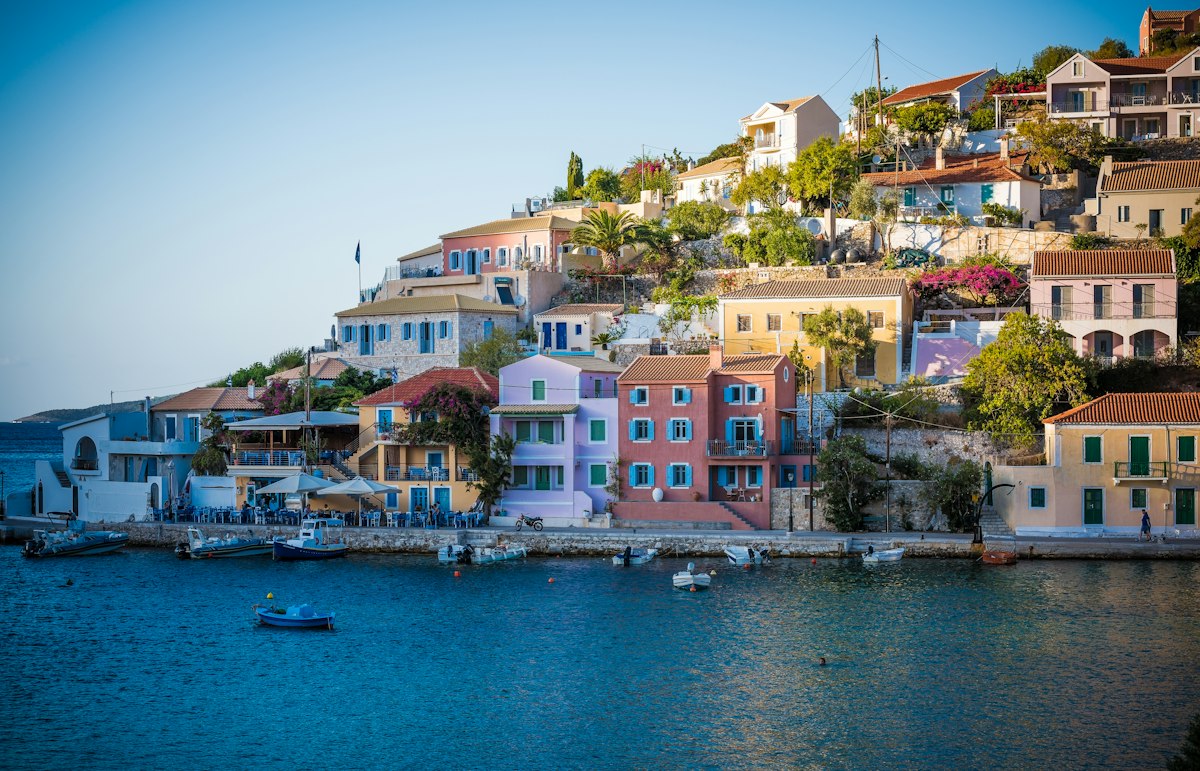
Skip Santorini and Mykonos unless you want to pay Italian prices. The Greek mainland and less-famous islands — Naxos, Milos, Crete — offer incredible food, ancient ruins, and warm seas at half the cost.
- Accommodation: Private rooms on the mainland and quieter islands run €30-50
- Food: A gyros costs €3-4. A taverna meal with wine runs €10-15
- The rule: Every step you take away from a cruise ship port saves you 30% on everything
Budget Tips That Actually Work in 2026
Travel in shoulder season. September and October in Southern Europe offer summer weather at autumn prices. Flights, accommodation, and tourist sites all drop 20-40%.
Book accommodation directly. Many Eastern European guesthouses and small hotels offer 10-20% discounts for direct booking versus Booking.com. Ask in an email — the worst they say is no.
Eat where locals eat. The restaurant one block behind the main square is 40% cheaper than the one facing it. In any city, walk 5 minutes from the tourist center and prices drop dramatically.
Use buses in Eastern Europe. Trains in Romania and the Balkans are cheap but slow. FlixBus and local bus companies are faster and similarly priced.
Cook breakfast, eat lunch out. Lunch menus in Southern and Eastern Europe are the best restaurant deals — many places offer a fixed lunch menu for €5-8 that would cost €12-18 at dinner.
The Bottom Line
The cost difference between Western and Eastern Europe isn’t 20% — it’s 50-70% across nearly every spending category. A week in Albania costs what three days in Amsterdam costs. A month in Romania costs what two weeks in France costs.
If budget is your primary constraint, Eastern and Southeastern Europe in 2026 offers the best travel value on the continent. If you want the comfort and infrastructure of Western Europe at lower prices, Portugal and Greece outside the islands are your best options.
The cheapest European trip isn’t about suffering — it’s about choosing the places where your money buys the most experience.