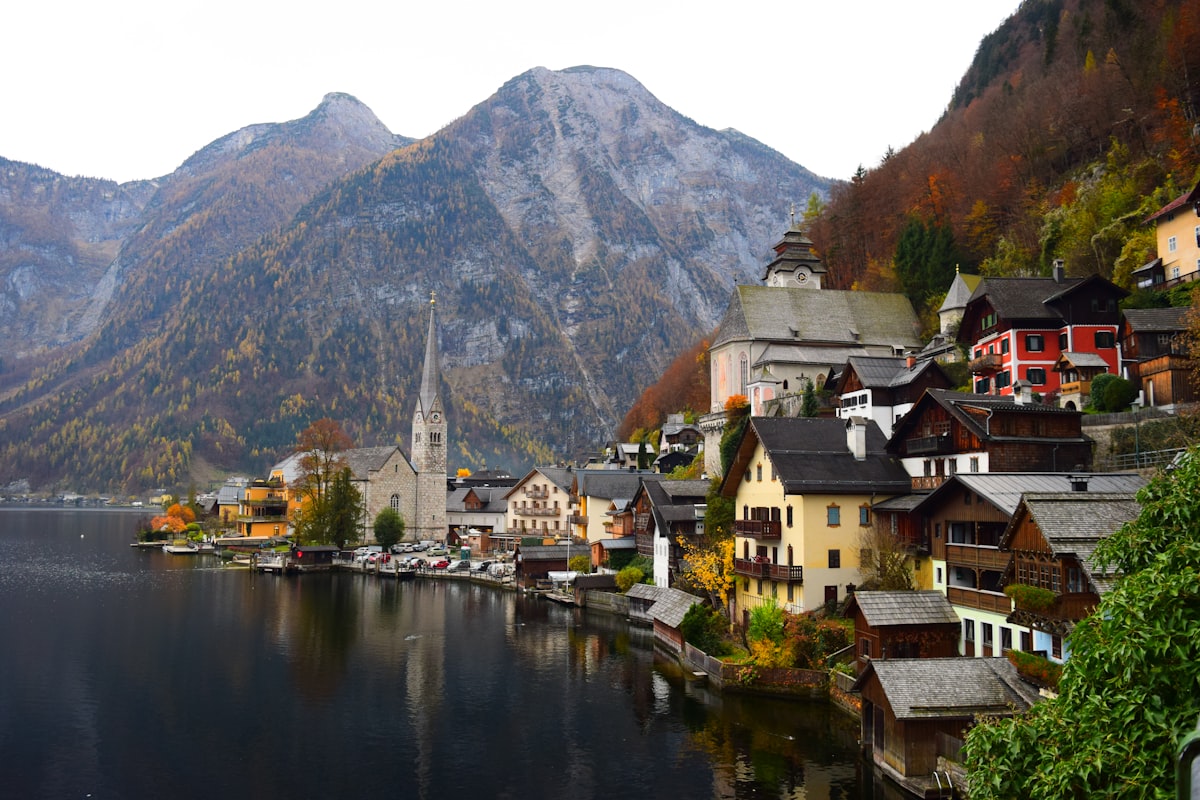
There is a line across Europe, roughly between Berlin and Vienna, where the economics of travel change completely. West of that line, a train ticket for 200 km costs 30-60 euros at walk-up prices. East of it, the same distance costs 5-15 euros. Hotels that cost 150 euros a night in Paris cost 40 euros in Budapest and 25 euros in Bucharest. A restaurant meal that costs 25 euros in Amsterdam costs 8 euros in Kraków.
This is not a secret. But the practical question, how do you actually get from the expensive side to the cheap side without flying?, is less well answered than it should be. The overland routes between Western and Eastern Europe are numerous, comfortable, and surprisingly affordable if you know where to book and when.
This guide covers the main overland corridors from Western Europe into Central and Eastern Europe, with real prices, real journey times, and practical advice for keeping costs low.
TL;DR: The main budget overland corridors are Paris/Amsterdam/Berlin to Prague/Warsaw, then onward to Budapest, Kraków, Belgrade, and Bucharest. Western European segments cost 19-40 euros booked in advance; Eastern European segments cost 5-20 euros. A full crossing from Berlin to Budapest costs approximately 40-60 euros total. Night trains save accommodation costs.
The Main Corridors
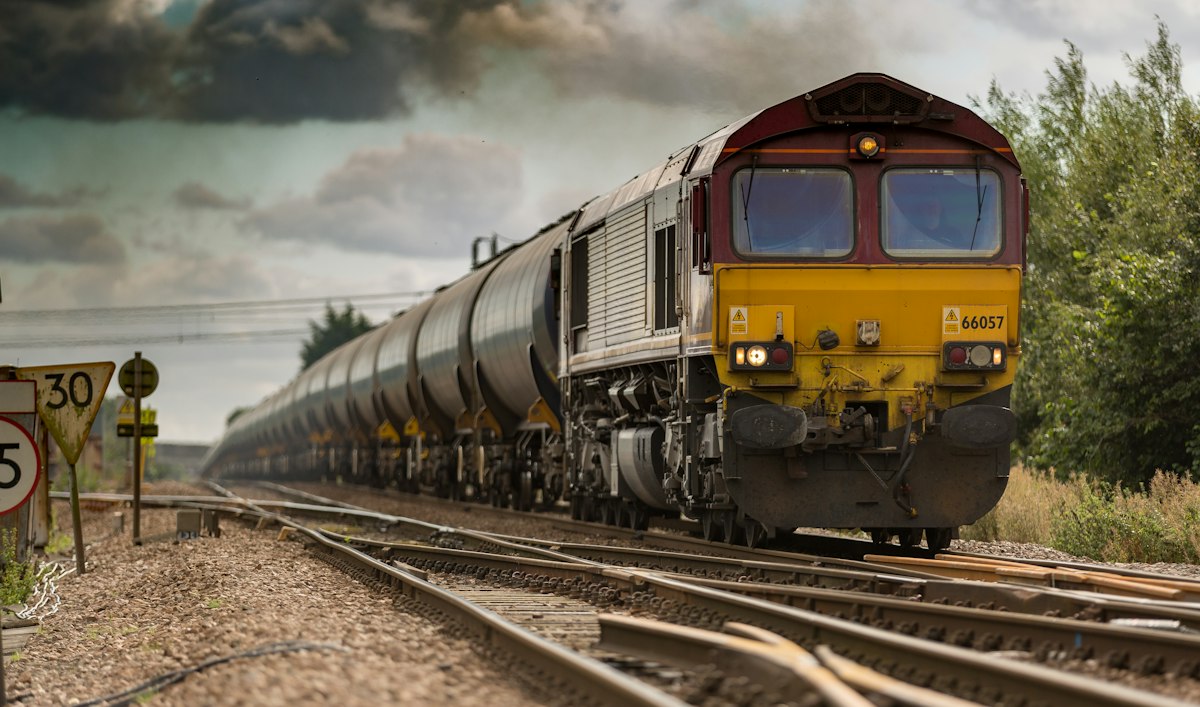
There are three natural overland corridors from Western to Eastern Europe. All converge in Central Europe before fanning out east and southeast.
Corridor 1: Northern, via Berlin and Warsaw
Best for: Poland, the Baltic States, and northern routes to Russia (where open).
The northern corridor runs through the Netherlands or Belgium, across northern Germany to Berlin, then east to Warsaw. From Warsaw, you can continue to Kraków, Vilnius, Riga, or southeast to Ukraine (where accessible).
Key segments:
- Amsterdam to Berlin: ICE direct, 6h 20min, from 18 euros (DB Sparpreis)
- Berlin to Warsaw: EIC or IC direct, 5h 30min, from 20 euros
- Warsaw to Kraków: EIP high-speed, 2h 20min, from 15 euros (PKP Intercity)
Total Amsterdam to Kraków: approximately 55-80 euros, booked in advance. One day of travel with an overnight in Berlin, or a very long single day.
Corridor 2: Central, via Prague and Vienna
Best for: Czech Republic, Austria, Hungary, Slovakia, and the Balkans.
The central corridor is the most popular and best-connected. It runs through Germany to Prague or directly to Vienna, then fans out to Budapest, Bratislava, and the Balkans.
Key segments:
- Paris to Munich: TGV direct, 5h 40min, from 29 euros (SNCF)
- Munich to Prague: direct bus or train via Regensburg, 4-5h, from 15 euros
- Berlin to Prague: EuroCity direct, 4h 20min, from 18 euros (DB Sparpreis)
- Prague to Vienna: RegioJet or ÖBB, 4h, from 15 euros
- Vienna to Budapest: Railjet or RegioJet, 2h 30min, from 10 euros
Total Berlin to Budapest via Prague and Vienna: approximately 45-70 euros, booked in advance. Doable in a single long day, better spread over 2-3 days with stops.
Our Prague by train guide, Vienna by train guide, and Budapest by train guide cover each city in detail. The Prague to Vienna and Vienna to Budapest route guides have specific booking advice.
Corridor 3: Southern, via Switzerland and Italy to the Balkans
Best for: Slovenia, Croatia, Serbia, and the southern Balkans.
The southern corridor runs through Switzerland or Austria into Slovenia and Croatia, then south to Serbia, Bosnia, and beyond. It’s the most scenic route east and the most complex to plan.
Key segments:
- Paris to Zürich: TGV Lyria direct, 4h, from 29 euros
- Zürich to Ljubljana: ÖBB/SŽ via Villach, 7-8h, from 30 euros
- Ljubljana to Zagreb: direct train, 2h 15min, from 10 euros
- Zagreb to Belgrade: direct train, 6h, from 15 euros
Total Paris to Belgrade: approximately 90-130 euros, booked in advance. Three days of travel, ideally with stops in Zürich, Ljubljana, and Zagreb.
Our Balkans by train guide, Zagreb guide, and Budapest to Belgrade guide cover the eastern portions in detail.
Budget Strategies That Actually Work
Book the Western European legs early
The price difference between advance and walk-up fares is enormous in Western Europe. A Berlin to Prague ticket costs 18 euros booked 90 days ahead and 80 euros on the day. A Paris to Munich TGV costs 29 euros advance and 130 euros walk-up. This is where your savings are made or lost.
DB Sparpreis tickets (Germany): released 180 days before departure, from 17.90 euros for any domestic journey. Book at bahn.de.
SNCF Ouigo/Prems (France): released 120 days ahead, from 10 euros for TGV services. Book at sncf-connect.com.
ÖBB Sparschiene (Austria): released 180 days ahead, from 19 euros. Book at oebb.at.
Don’t bother with advance booking in Eastern Europe
East of Vienna, walk-up fares are cheap enough that advance booking matters less. A same-day ticket from Budapest to Belgrade costs about 15 euros. A Prague to Kraków ticket is about 15-20 euros. The savings from advance booking are small, and the flexibility of walk-up tickets is worth more.
Use RegioJet for Central European routes
RegioJet, a Czech private operator, runs buses and trains between Prague, Vienna, Budapest, Kraków, and other Central European cities at prices that undercut national operators. Prague to Vienna from 10 euros. Prague to Budapest from 19 euros. The trains and buses are comfortable, with onboard entertainment and free coffee.
Night trains save a hotel night
An overnight train that costs 30-50 euros for a couchette berth saves you 30-80 euros on a hotel room. The net cost of travel becomes near zero. Key night train routes:
- Vienna to various Eastern European cities (ÖBB Nightjet): couchettes from 30 euros
- Budapest to Bucharest (overnight, 14h): from about 30 euros in a couchette
- Prague to Kraków (RegioJet night service): from about 15 euros in a seat
Our night trains in Europe guide covers the major sleeper services.
Consider FlixBus for the cheapest legs
FlixBus operates across all of Europe and often undercuts train prices, particularly on less-popular cross-border routes. Berlin to Prague from 9 euros. Prague to Budapest from 15 euros. The trade-off is comfort, buses are slower and less pleasant than trains, but for budget travellers, they fill the gaps.
Route Deep-Dive: Berlin to Bucharest (3-4 days, from 80 euros)
A sample route that crosses Europe from north to southeast, entirely overland:
Day 1: Berlin to Prague (EuroCity, 4h 20min, from 18 euros). Afternoon in Prague. Overnight in Prague (hostels from 12-15 euros/night).
Day 2: Prague to Budapest via Vienna (RegioJet or ÖBB, 7-8h total with transfer in Vienna). Morning departure, evening arrival in Budapest. Alternatively, take a direct RegioJet train/bus Prague to Budapest (7h, from 19 euros). Overnight in Budapest (hostels from 10-15 euros/night).
Day 3: Budapest, spend a day. Our Budapest slow travel guide covers the thermal baths, ruin bars, and food.
Day 4: Budapest to Bucharest (overnight train, 14h, from 30 euros in a couchette). Depart evening, arrive morning. You’ve crossed four countries for approximately 80-100 euros in transport, plus 2 nights of very cheap accommodation.
Route Deep-Dive: Amsterdam to Kraków (2 days, from 60 euros)
Day 1: Amsterdam to Berlin (ICE direct, 6h 20min, from 18 euros). Afternoon and evening in Berlin. Overnight in Berlin.
Day 2: Berlin to Kraków (direct Eurocity via Wrocław, 8h, from 25 euros. Or Berlin to Wrocław 4h, then Wrocław to Kraków 3h). Arrive in Kraków by evening.
Total transport: approximately 45-65 euros. Kraków itself is remarkably cheap, meals from 5 euros, accommodation from 12 euros/night.
What to Expect as You Move East
Trains get slower but more interesting. Western European high-speed trains are efficient but sterile. Eastern European trains are slower, older, and have a character that the TGV lacks. Compartment-style carriages with sliding doors, station platforms with hand-painted signs, border crossings where police board the train, these are the textures of overland travel.
English is widely spoken. In tourist areas and among younger people, English proficiency across Central and Eastern Europe is high. Station staff may be less fluent, but ticket machines increasingly have English interfaces and the Deutsche Bahn app works for journey planning across the continent.
Food on trains varies. Western European trains often have dining cars or catering trolleys. Eastern European long-distance trains typically have a buffet car with basic meals and drinks. Bring food for any journey over 4 hours, it’s cheaper, better, and gives you something to do. Our eating on trains guide has suggestions.
Safety is not a concern. Central and Eastern Europe is safe for travellers. Petty theft on trains exists (as it does everywhere) but violent crime against tourists is extremely rare. Use common sense with valuables, particularly on overnight trains, lock your compartment, keep your bag with you.
The Case for Going East
Eastern Europe is where the value in European travel lives. A week in Budapest, Kraków, or Bucharest costs what two days in Paris or London costs. The food is excellent, the architecture is striking, the cultural life is serious and accessible, and the tourist crowds are a fraction of what you’ll find in Rome or Barcelona.
Getting there overland, by train across the continent, adds a dimension that flying removes. You see the field change. You feel the transition from Western European efficiency to Central European character to Eastern European complexity. The journey becomes part of the experience rather than an obstacle to it.
Start with Berlin to Prague. It’s the shortest crossing, the cheapest, and the most scenic. From Prague, everything east is open and affordable. See our Europe by train guide for the big picture, how to book European trains for the mechanics, and our budget train travel guide for more money-saving strategies.