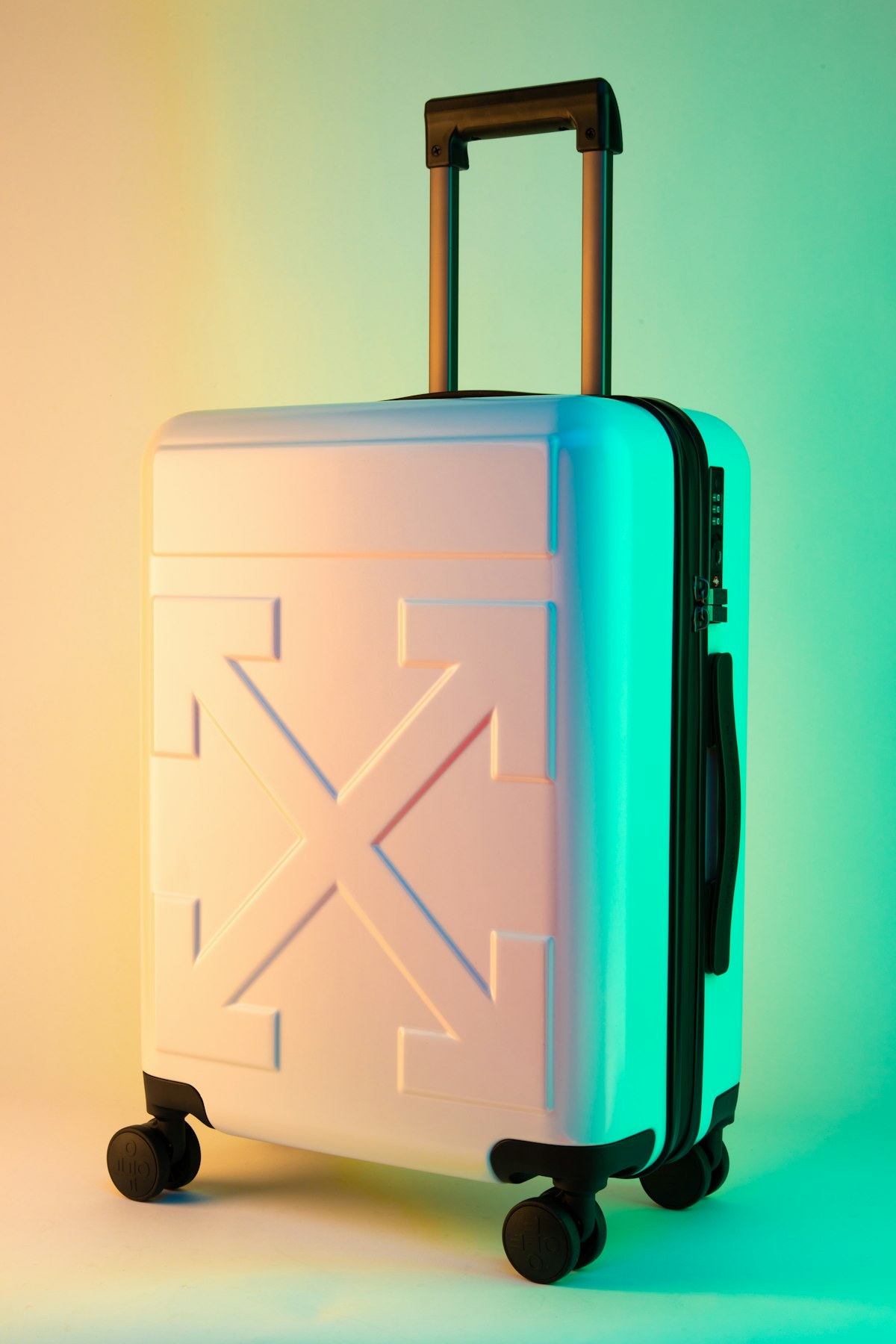
A carry-on that sails through security in Atlanta or Chicago can still get flagged at the gate in Frankfurt, Dubai, or Singapore. International flying plays by different rules: smaller sizer cages, strict weight caps, and low-cost carriers that charge for anything bigger than a laptop bag. The right bag for international travel is not the biggest one you can sneak aboard — it is the one that fits the strictest airline you regularly fly, weighs little enough to survive a scale check, and still holds two weeks of clothes.
This guide breaks down what “international carry-on size” actually means, then walks through five bags that handle it well. The picks are based on the consensus of verified owner reviews, manufacturer specification sheets, and established travel publications — not hands-on testing — so treat them as a shortlist to research against your own airline’s rules before you buy.
As an Amazon Associate we may earn a commission from qualifying purchases made through links on this page, at no extra cost to you.
What “carry-on size” actually means outside the US
Most US airlines allow a cabin bag up to roughly 22 x 14 x 9 inches. That is not a global standard. IATA, the airline industry’s trade body, publishes a recommended cabin-baggage footprint designed to fit overhead bins on virtually any commercial aircraft, and it works out smaller than the typical US limit. A bag built to the absolute maximum of a US domestic allowance can simply be too big elsewhere.
Two failure modes catch most travelers:
The depth dimension. Sizer cages are unforgiving about the third number. A bag that is nominally 22 inches long but has bulky wheels, a chunky handle housing, or an overstuffed expansion zipper can bulge past the 9-inch depth and get pulled at the gate. When you compare bags, check total packed dimensions including wheels and handles, not the marketing number.
The weight cap. Many international carriers — particularly in Asia, Australia, and the Gulf, and nearly all low-cost carriers — weigh your cabin bag at check-in or the gate, with limits commonly in the 7 to 10 kg range. US carriers mostly publish no carry-on weight limit at all, so American travelers are often caught off guard. A heavy hardshell that weighs a third of your allowance before you pack a sock is a liability on exactly the airlines that enforce the rule.
The practical strategy: size your bag to the strictest airline you expect to fly, not the most generous one. If that is a European low-cost carrier, the answer may be no wheeled carry-on at all — see our guide to underseat bags that always fly free.
How these five picks were chosen
This is a research synthesis, not a product test. Each pick below is based on reading across a large body of verified owner reviews on retail listings and travel forums, cross-checking manufacturer spec sheets for dimensions and materials, and comparing expert roundups from established gear and travel publications. Where reviewers consistently agree on a strength or a recurring complaint, that consensus is reflected here. Where a specification matters — exact dimensions, weight, warranty terms — confirm it on the manufacturer’s own product page before you buy, because brands revise luggage lines frequently.
This page is the sizer-and-weight shortlist: five bags chosen for international cages and 7 kg caps, not a catalog of every shell on the market. For a ranked field organized by bag type and budget — including backpacks that survive Ryanair personal-item rules — see Best Carry-On Luggage for International Travel (Tested and Ranked). If you are flying a basic-fare carrier that only allows an underseat item, use the underseat carry-on guide instead.
Desk listing check: luggage SKUs and empty weights change mid-year. Confirm packed dimensions (wheels and handles included) on the current Amazon listing before you buy — do not treat last year’s product photo as a spec sheet.
The five best carry-ons for international travel
Travelpro Platinum Elite — best softside overall
Travelpro is the brand founded by the pilot who invented the original Rollaboard, and flight crews have been its most visible customers ever since — which is about the strongest endorsement available for surviving daily airline handling. The Platinum Elite spinner line is the sweet spot in the range: a tapered softside body that tolerates tight sizers, a roomy external pocket for a jacket or documents, and a supersonic nylon exterior with a stain-resistant coating in Travelpro’s own spec language. Softside bags also forgive you when you overpack by an inch; hardshells do not. Reviewers consistently praise the handling and the handle, and the recurring complaint is simply that it costs more than entry-level luggage. Check current dimensions and warranty terms on Travelpro’s site, or compare Platinum Elite prices on Amazon.
Away Carry-On — best hardshell for organized packers
The original Away Carry-On made hardshell luggage fashionable again: a polycarbonate shell, an interior compression system with a divider that clamps your clothes down, a TSA-approved combination lock, and a removable laundry bag. For international use the case for a hardshell is protection — souvenirs, electronics, and anything you check at the gate when a sizer defeats you — and the case against it is weight and zero give. Owner reviews consistently highlight how much the compression pad helps and how well the shells hold up to baggage-system abuse. If your airlines weigh carry-ons, note the shell’s weight against your allowance before committing. Check Away Carry-On pricing on Amazon.
Briggs & Riley Baseline — the buy-it-for-life option
If you fly internationally more than a few times a year, the math behind Briggs & Riley starts to work. Its “Simple as That” lifetime warranty covers damage from airlines — the thing that kills every other bag eventually — for as long as you own the luggage, and the company’s one-and-only business is engineered-to-be-repaired travel bags. The Baseline carry-on is a softside with a compression expansion system that gives you extra space on the way home without permanently oversizing the bag, and CX compression is the feature owners cite most. The barrier to entry is price: it typically costs several times a budget carry-on. For frequent flyers, that amortizes. Compare Briggs & Riley Baseline prices on Amazon.
Osprey Farpoint 40 / Fairview 40 — best for train-heavy, multi-city trips
This site is built around slow travel, and for itineraries that involve more rail platforms than jet bridges, a backpack beats a spinner. The Osprey Farpoint 40 (Fairview 40 in the women’s fit) is the long-standing reference point: a 40-liter travel backpack sized to meet most airlines’ carry-on limits, with a stowable harness, a lockable main compartment, and a detachable daypack on some versions. It carries comfortably for the walks between stations and hotels where wheeled luggage is misery — cobblestone and spinners are enemies — and it squeezes into overhead racks on regional trains and overhead bins on budget flights. The trade-off is that nothing rolls: you are carrying everything on your body. Verify current dimensions on Osprey’s product page, and see our guide to traveling Europe with carry-on only as a train traveler for how this style of trip works in practice. Compare Osprey Farpoint 40 prices on Amazon.
Travelpro Maxlite — best budget pick
The Maxlite line is Travelpro’s lightweight entry range, and it addresses the single biggest weakness of cheap luggage: weight. Budget hardshells are frequently heavy enough to blow a 7 kg international allowance empty or nearly so, while the Maxlite softside is consistently among the lighter name-brand options at its price. You give up the premium touches of the Platinum Elite — the external pocket design is simpler and the materials less reinforced — but the consensus among owners is that it is durable for the money and the right size for international sizers. For a first international trip or an occasional flyer, it is the rational spend. Check Travelpro Maxlite prices on Amazon.
Airline carry-on rules at a glance
Typical published allowances for major international carriers, to illustrate the spread. Airline rules change often and vary by route, fare class, and status — always confirm on your carrier’s current baggage page before you pack.
| Carrier | Typical size limit | Typical weight limit |
|---|---|---|
| US majors (Delta, United, American) | 22 x 14 x 9 in | None published for domestic travel |
| British Airways | 56 x 45 x 25 cm | Not published — must fit the sizer |
| Lufthansa | 55 x 40 x 23 cm | 8 kg |
| Emirates | 55 x 38 x 20 cm | 7 kg |
| Qantas | 56 x 36 x 23 cm | 7 kg |
| ANA | 55 x 40 x 25 cm | 10 kg |
| Ryanair (included allowance) | 40 x 20 x 25 cm | Personal-bag size only |
Two more rules that matter internationally. Liquids: the TSA’s liquids rule limits carry-on liquids to containers of 100 ml / 3.4 oz in a single quart bag in the US, and the UK government publishes the same 100 ml limit for UK airports — build your toiletry kit around that standard rather than full-size bottles. Batteries: the FAA’s PackSafe rules require spare lithium batteries and power banks in the cabin, never in checked luggage, and some Asian carriers are strict about them at security.
Pack so it actually closes
The best carry-on in the world fails if you pack it badly. A few habits do most of the work:
- Use packing cubes. They compress soft items, keep categories separated, and let you reorganize in a train-station hallway without repacking everything. Compare packing cube sets on Amazon.
- Weigh before you leave home. A cheap digital scale removes all guesswork on weight-capped carriers. Compare luggage scales on Amazon.
- Wear your heaviest layers — boots, jacket, jeans — onto the plane rather than packing them.
- Keep the expansion zipper closed outbound. Expand on the return leg if you must, knowing the bag may then gate-check.
- Split essentials between your carry-on and a personal item in case one is taken at the gate.
For the full item-by-item version, see our carry-on packing list for international travel, and if you are stretching a long trip on a budget, our guide to traveling internationally the slow-travel way covers how little you can genuinely live out of.
Carry-on luggage FAQ
Is a 22-inch carry-on allowed on international flights? Usually yes on full-service international carriers — most publish allowances around 55–56 cm in length. The exceptions matter: ultra-low-cost carriers often only include a personal-bag-sized allowance, and some regional aircraft simply cannot take a full-size roller in the cabin. When in doubt, the personal-item tier plus a checked bag is cheaper than a gate-check fee.
Do international airlines actually weigh carry-ons? Many do, especially airlines in Asia, Australia, and the Gulf, and almost all low-cost carriers. Enforcement on full-service European and North American airlines is looser but not guaranteed. If your airline publishes a weight cap, assume it can be enforced and pack to it.
Hardshell or softshell for international travel? Hardshells protect fragile items and shrug off rain and rough handling, but they are typically heavier and cannot compress. Softsides are lighter, flex into tight sizers, and offer external pockets, at the cost of less crush protection. Weight-capped itineraries favor softside or a travel backpack; souvenir-heavy returns favor hardshell.
Can I bring a personal item as well as a carry-on? On most full-service carriers, yes — a smaller bag that fits under the seat, like a daypack or tote, in addition to your main carry-on. That underseat space is valuable enough that we maintain a whole separate guide to the best underseat carry-on bags.
What about liquids and toiletries on long international trips? Plan around the 100 ml / 3.4 oz limit that applies in the US, UK, and EU: travel containers for your essentials, and buy full-size toiletries at your destination. It is cheaper, lighter, and it is what experienced long-haul travelers actually do.
The short version
Match the bag to the airline, not the other way around. If you fly full-service carriers and value durability, the Travelpro Platinum Elite or Briggs & Riley Baseline are the consensus picks; if you want a hardshell and organized packing, the Away Carry-On; if your itinerary is trains and hostels, the Osprey Farpoint 40; if you are watching the budget, the Travelpro Maxlite. Whatever you choose, verify its packed dimensions against your airline’s published allowance before you fly — it takes two minutes and it is the difference between walking onboard and digging your bag out of a checked-baggage carousel you never planned to visit.