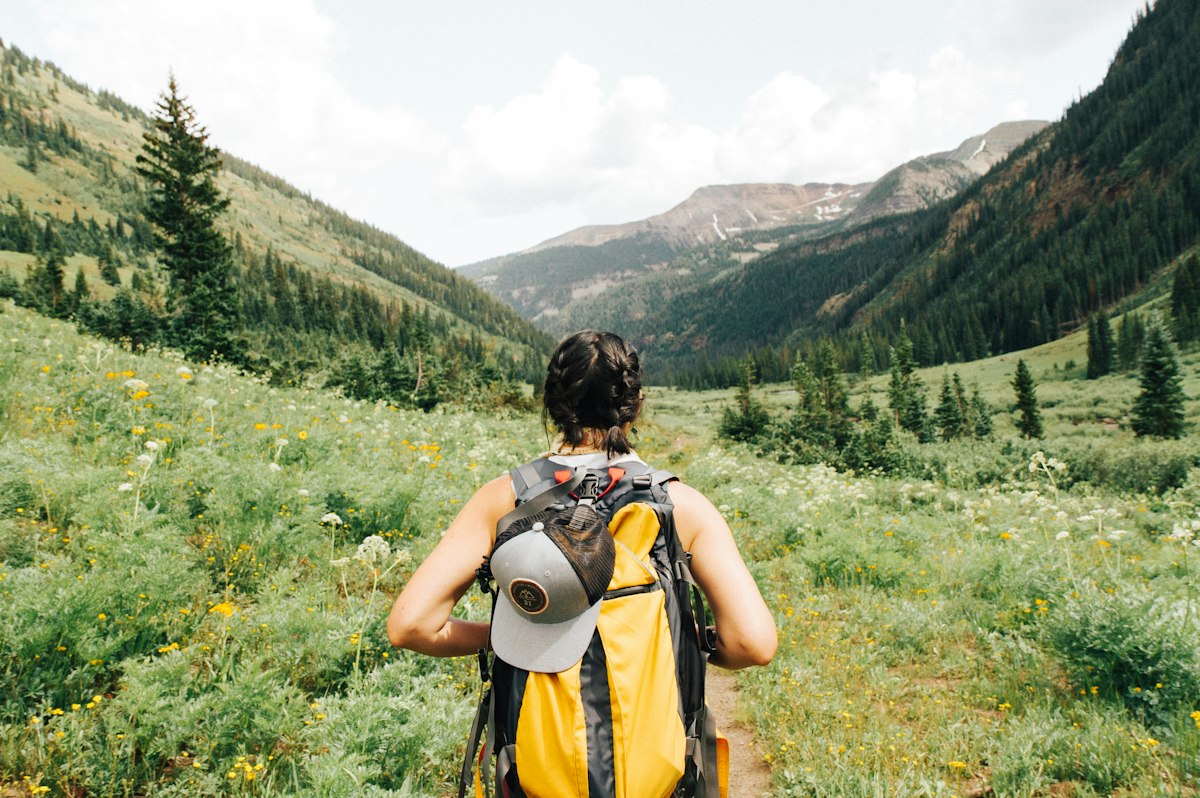
There is a stretch of the California coast, roughly between San Luis Obispo and Santa Barbara, where the tracks run along a shelf of rock above the Pacific and the ocean fills the window so completely that the rest of the world disappears. No road runs alongside. No buildings are visible. Just the train, the cliff, and the sea.
This is not incidental to the Coast Starlight. It is the argument for it.
America built its transcontinental railways in the 19th century and then, for most of the 20th century, decided it preferred the highway. Amtrak has maintained the skeleton of what remains — a national network run on freight rail tracks, perpetually underfunded, chronically delayed, and somehow irreplaceable. The Coast Starlight is Amtrak at its most defensible: a 35-hour journey from Los Angeles to Seattle that passes through landscapes a car cannot access and an airplane cannot see. It is slow. It is occasionally late. It is worth every hour.
guide to America’s most scenic train routes
TL;DR: Los Angeles to Seattle in ~35 hours. Coach from $85–$160; Roomette (sleeper, meals included) $300–$500 Saver. The Sightseer Lounge car has panoramic windows open to all passengers. The Pacific Parlour Car (southbound only) is one of the finest perks in American rail travel. Book 11 months ahead for sleepers. Runs along the Pacific coast through the Cascades and Willamette Valley. Expect occasional delays — build buffer time into your plans.
The Route: Los Angeles to Seattle
The Coast Starlight covers 2,235km (1,389 miles) between Los Angeles Union Station and Seattle King Street Station, running along the Pacific coast of the United States with a scheduled journey time of approximately 35 hours 30 minutes. In practice, allow 36–38 hours; delays of 1–3 hours are common due to freight rail priority on shared tracks.
Key Stops Northbound (Los Angeles to Seattle)
Los Angeles Union Station — The departure point is one of the finest train stations in America: a 1939 Art Deco masterpiece mixing Spanish Colonial Revival and Streamline Moderne, with a main hall of marble floors, arched ceilings, and wooden benches that evoke an era when train travel was the presumed mode of long-distance travel. Arrive 30 minutes early — allow more if checking bags. Track announcements come late; watch the departures board.
Oxnard / Ventura (1h 30min from LA) — The first coastal stretch begins here. The Ventura County coast is visible to the left (west) as the train rounds the point at Ventura. This is the opening movement of the Pacific sequence.
Santa Barbara (2h 30min from LA) — Santa Barbara station is a 1905 Mission Revival building with a red-tile roof, 15 minutes from the State Street pedestrian mall and Stearns Wharf. A practical stop for day-trippers from LA; for northbound through-passengers, it’s the last substantial California Riviera town before the coast road diverges inland.
San Luis Obispo (4h 30min from LA) — The midpoint of the California Coast section. SLO, as locals call it, is a college town (Cal Poly) with genuine food culture and a downtown that functions well on foot. Overnight stays here — before or after the train — are recommended if your schedule allows.
The Pacific Coast stretch between San Luis Obispo and Santa Barbara is the most famous segment of the Coast Starlight. The tracks hug the clifftops north of SLO through Pismo Beach and Oceano before rounding Point Arguello, where the coast turns east. This stretch is accessible only by train — the famous Highway 1 misses this section entirely. This is the landscape that justifies the journey.
Oakland / Emeryville (9h from LA) — The Bay Area stop is technically Emeryville, an industrial city directly north of Oakland. Amtrak runs a free connecting bus service across the Bay Bridge to San Francisco’s Ferry Building — a 30-minute ride. Many passengers board or alight here for San Francisco connections. The stop is long enough (30–45 minutes typically) to stretch legs on the platform.
Sacramento (11h from LA) — California’s state capital and the heart of the Central Valley. The station sits in the historic downtown, walkable to Old Sacramento and the excellent California State Railroad Museum — the finest railway museum in the United States, with full-size locomotives and rolling stock from the transcontinental era. If your schedule allows an overnight stop anywhere on this route, Sacramento is the practical choice.
Klamath Falls (15–16h from LA) — The train has crossed into Oregon. Klamath Falls is a small high-desert city on the edge of the Cascades. The surrounding landscape — juniper, sagebrush, the volcanic plateau of southern Oregon — is dramatically different from coastal California. The station is modest; the darkness by this point in a northbound journey means most passengers experience Klamath Falls as a brief lamp-lit stop in the night.
Eugene (19–20h from LA) — The southern Willamette Valley. Eugene is a university city (University of Oregon) with a strong outdoor culture and an agricultural backdrop. The valley north of Eugene towards Portland — flat, green, and meticulously farmed — begins here.
Portland (22–23h from LA) — Portland Union Station is a 1896 Renaissance Revival building with a 38-metre clock tower, in the Pearl District. The stop here is typically 30–45 minutes, enough to walk outside and smell the city. Portland to Seattle is the final segment — through the Columbia River valley, across into Washington State, through Tacoma.
Seattle King Street Station (35h+ from LA) — The terminus. King Street is a 1906 Beaux-Arts station in Pioneer Square, restored to near-original condition after a particularly ugly false ceiling was removed in 2013. It now looks as it was designed to look: a grand civic building with a campanile tower modelled on the Campanile di San Marco in Venice. From King Street, Pike Place Market is 15 minutes on foot; Capitol Hill and the rest of Seattle are 10–15 minutes by bus or light rail.
Accommodation Classes
Coach
Coach on the Coast Starlight is a reclining seat — somewhat more generous than coach on domestic airlines, with a footrest and adjustable headrest. Seats recline approximately 40 degrees. Overnight in coach is possible but not comfortable for most people; bring earplugs, a neck pillow, and an eye mask. Fares run $85–$160 one-way depending on advance booking and season.
For a 35-hour journey, coach is manageable if you’re 25 and travelling on a budget. For anyone older, or anyone who wants to sleep, a sleeper is worth the premium.
Roomette
The Roomette is the standard sleeping accommodation: a private two-person room with two facing seats that convert to berths at night. The lower berth is a proper bed (roughly twin-size, wider than aircraft business class); the upper berth is narrower and accessible via a ladder. Rooms have a large picture window, individual reading lights, power outlets, and a call button for your car attendant.
All meals are included in the Dining Car for sleeper passengers — this is Amtrak’s most underappreciated value. The dining car serves proper hot meals: eggs in the morning, burgers and salads for lunch, pasta, chicken, and fish for dinner. The menu is not Michelin territory, but it is honest food cooked to order, served at a white-tablecloth table, with a view of passing America. The meal inclusion alone offsets €60–€100 of the Roomette premium.
Saver fares for Roomettes: $300–$500 one-way. Standard “Value” fares: $450–$650. Flexible fares: $600–$800+.
Roomette logistics: Two adults can share comfortably in the lower berth; the upper berth is adequate for one adult. If you’re travelling solo, you get the room to yourself — both berths and the window seat. Solo Roomette passengers pay the same per-room price as two adults, so book early and treat the room as private space.
Bedroom
The Bedroom is larger: two seats converting to a lower double bed and an upper single, plus a private toilet and shower in the room. It is a meaningfully more comfortable experience than the Roomette for long journeys — the private bathroom matters on a 35-hour train. Fares run $600–$900+ depending on season and booking timing.
For two people travelling together, the Bedroom is worth the premium over two Roomettes if budget allows. The extra cost buys privacy and the bathroom.
The Sightseer Lounge: The Heart of the Train
Every Coast Starlight carries a Sightseer Lounge — a double-deck car with panoramic windows along the full length of the upper level. It is open to all passengers, coach and sleeping car alike, on a first-come, first-served basis.
The upper deck has individual seats angled toward the windows, tables for groups, and standing room at the ends. The lower deck has a snack bar selling sandwiches, chips, beer, wine, and Amtrak’s own coffee. The atmosphere is informal and often remarkably sociable: long train journeys compress the social distance that normally separates strangers, and the Lounge is where that compression happens.
Take a window seat in the Lounge for the California coast section. Stay in the morning through the Cascades if you can. The Lounge fills up during the best scenery; arrive 15 minutes before the coast section begins and claim your spot.
The Sightseer Lounge at dawn over the Cascades — this is the moment. The train crosses from Oregon into Washington through the Cascades overnight, and if the schedule holds (and sometimes it does), you are at Mt. Shasta and the volcanic plateau at around 3–4am. But if you’re in the Lounge at first light, somewhere between Chemult and Eugene, with the Oregon Cascades materialising from darkness — the firs, the volcanic peaks, the cold light — that is the Coast Starlight at its best.
The Pacific Parlour Car: Southbound Only
The Pacific Parlour Car is one of the most distinctive features of American passenger rail: a refurbished vintage lounge car available exclusively to sleeping car passengers on southbound services (Seattle to Los Angeles). It does not operate northbound.
The car has a full bar, wine and cheese tastings in the late afternoon (complimentary for sleeper passengers), individual armchairs, and a more intimate atmosphere than the main Sightseer Lounge. The décor is deliberately retro — carpet, curtained windows, the feel of rail travel in the 1950s. It is manned by an Amtrak host rather than a service staff member, and the experience is genuinely convivial in a way that commercial hospitality rarely achieves.
If you’re choosing direction of travel and have flexibility, book the southbound service for the Pacific Parlour Car experience. The scenery is broadly comparable in both directions; the Parlour Car tips the balance.
Coast Starlight vs. California Zephyr
The two most celebrated long-distance Amtrak services in the western United States are often compared. They are genuinely different experiences:
| Coast Starlight | California Zephyr | |
|---|---|---|
| Route | LA → Seattle | Chicago → San Francisco |
| Duration | ~35 hours | ~51 hours |
| Signature scenery | Pacific coast, Cascades | Colorado Rockies, Feather River Canyon |
| Mountain drama | Cascades (moderate) | Rockies (extreme) |
| Coastal stretch | Yes — spectacular | No |
| Pacific Parlour Car | Yes (southbound) | No |
| Best for | Long weekend, Pacific NW | Full transcontinental experience |
The Zephyr through the Rockies — the ascent from Denver to the Continental Divide at over 11,000 feet, the descent through the Ruby Canyon, the Feather River gorge in northern California — is arguably the greater landscape journey. The Starlight has the ocean. Both are worth doing. If you can do only one, the Zephyr has a slight edge for sheer geological drama; the Starlight wins on accessibility and the coastal section.
Booking Strategy
Book 11 Months Ahead for Sleepers
Amtrak’s booking window opens 11 months in advance, and Saver bucket fares for Roomettes appear at this opening. The best sleeper fares on popular summer and holiday departures sell out within days of the booking window opening. For July, August, Thanksgiving, and Christmas departures, set a calendar reminder for 11 months before your intended travel date.
Amtrak Guest Rewards members get 48 hours advance access to Saver fares before they appear to the general public. The program is free to join — sign up at amtrak.com before you book.
Check Multiple Departure Dates
The Saver Roomette bucket is not consistent across dates. Check departure dates three to five days either side of your preferred date — you may find a Saver fare on a Tuesday that isn’t available on the weekend surrounding it.
Mid-Week is Cheaper
Thursday and Tuesday departures are typically less popular than Friday and Sunday. If your schedule is flexible, a Tuesday Los Angeles departure arrives in Seattle on Wednesday — often at Saver pricing that weekend departures don’t have.
California Rail Pass
Amtrak’s California Rail Pass allows 7 one-way trips anywhere on California routes within a 21-day period, costing $159 (coach only). It covers Coast Starlight segments within California (LA to Sacramento or LA to the Bay Area), Capitol Corridor, Pacific Surfliner, and others. Not useful for a single through-journey but worth considering for multi-stop California itineraries.
Practical Details
What to Pack
- Earplugs and eye mask — even in a Roomette, the train generates continuous ambient noise at night (wheels on rails, the horn at crossings).
- Layers — the Sightseer Lounge gets cold when the AC is running; it gets warm in afternoon sun. Dress in adjustable layers.
- A book or offline download — cell coverage is intermittent through the Cascades and remote California. The train has wifi but it is variable.
- Snacks — the dining car is excellent but not always available on short notice. Bring a backup.
Delays
The Coast Starlight runs on tracks shared with Burlington Northern Santa Fe (BNSF) freight rail. Under federal law, freight has priority over Amtrak passenger services on private tracks. This is the primary cause of delays, which can range from 20 minutes to 4 hours or more. Amtrak has been lobbying for on-time performance mandates for years; legislation has passed but implementation is ongoing.
Treat the schedule as a guide, not a guarantee. If you have a connecting flight from Seattle, build in an overnight buffer. If you’re simply enjoying the journey, a delay is time in the Sightseer Lounge watching Oregon go past — not obviously a punishment.
Los Angeles Union Station: Arriving and Departing
LAUS is worth arriving early for. The main waiting hall — all Spanish tile, dark wooden beams, and Art Deco lighting — is one of the finest interiors in Los Angeles. The Traxx bar inside the station serves cocktails in the original ticketing lounge until midnight. The Metropolitan Lounge (for sleeping car passengers) has comfortable seating, charging stations, and light refreshments.
From downtown LA, LAUS is accessible via Metro (Red/Purple Lines, Union Station stop), the FlyAway bus from LAX ($9.75 — dramatically cheaper than a rideshare from the airport), and Metrolink suburban rail from across the LA basin.
Is the Coast Starlight Worth It?
That depends on what you mean by worth it.
If the question is whether it’s efficient: no. Flying Los Angeles to Seattle takes 2h 30min and costs roughly the same as a coach ticket. The Coast Starlight takes 35 hours. By productivity metrics, it loses.
But that framing misses the point. The Coast Starlight is not a transportation solution for people who need to get from Los Angeles to Seattle. It is a place — a moving place that contains, for 35 hours, a particular quality of experience: the coast out the window, strangers becoming temporary companions in the Lounge, meals in the dining car as the country passes, sleep to the sound of the wheels.
Alain de Botton wrote that we are not very good at slowing down enough to absorb the places we travel to. The Coast Starlight forces the issue. You cannot rush it. You cannot skip the Oregon plateau or arrive in Portland early. The train takes the time it takes, and in doing so, it gives you the landscape.
That, for some people, is everything.
One practical note: The best seat on the entire train — for the California coast section, northbound — is the upper deck of the Sightseer Lounge, right side (east/inland), in the morning, when the sun illuminates the coastline and the Pacific fills the west-facing windows. You are looking at both at once. Get there early.
Related Reading
- California Zephyr Roomette: Is It Worth It? — A California Zephyr roomette costs $200–500/person and includes all meals over 52 hours Chicago–San Francisco.
- White Pass & Yukon Route Railway: The Complete Visitor’s Guide — If the Starlight’s Pacific Northwest scenery appeals, continue north: the 1898 Gold Rush railway from Skagway, Alaska climbs 2,865 ft in 20 miles.
- Amtrak USA Rail Pass: Is It Worth It? — Riding multiple Amtrak routes? The USA Rail Pass covers 3–15 segments system-wide from $299.
- VIA Rail Canada: The Complete Guide to Cross-Country Train Travel — Canada’s equivalent of Amtrak spans 12,500km — the Canadian (Toronto–Vancouver) takes 4 nights through the Rockies.
- The Bernina Express: Switzerland’s Most Scenic Train Journey — The Bernina Express crosses the Alps from Chur to Tirano in 4 hours — UNESCO-listed, panoramic windows, and views…
- Glacier Express: The Complete Guide to Switzerland’s Famous Slow Train — Switzerland’s Glacier Express takes ~8 hours Zermatt–St.